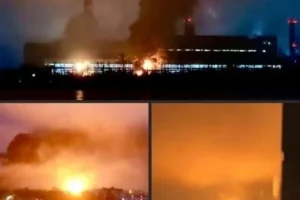
A wall of storms is racing toward town, and most people don’t even realize how quickly everything could change. Power, safety, routine—gone in minutes. Officials are pleading for attention, but the radar is shifting, the winds are strengthening, and the window to prepare is closing. One wrong choice on the road, one ignored alert, and the ni… Continues…
When the first gusts arrive, they won’t ask if anyone is ready. Branches will snap, streets will flood in patches, and some neighborhoods may go dark while others stay untouched. Inside, families will listen for the distant rumble, refreshing weather apps, deciding whether to move away from the windows or risk “just one more errand.” The danger, as always, lies in assuming there is still time.
Yet this is also the moment when small choices matter most. The charged phone on the counter, the flashlight set out in advance, the car left parked instead of driven through blinding rain—these quiet decisions can separate a close call from a crisis. The storms will pass; they always do. What remains is whether people treated those urgent warnings as background noise, or as the last clear chance to protect what they love.